

In a new report, Oxford academics continue to recognise the vital role of voluntary carbon offsetting as a means for organizations to take full and immediate responsibility for their carbon emissions.
This paper is part of a growing scientific consensus about the central role of offsetting emissions through high quality projects, in order to tackle the climate crisis.
We agree it is crucially important that only the highest quality carbon credits are used for offsetting, both for removal and avoidance projects, in line with ICROA guidance.
As project developers ourselves, we are pleased to see it highlights the need to think carefully about the types of projects organizations choose to support through carbon offsetting and that it explains the need for organisations to invest in long term programmes, giving project developers the certainty they need to scale existing projects and develop new ones.
However, climate science demands that we reduce emissions as quickly as possible, as well as taking CO2 out of the atmosphere.
So, whilst we understand the paper’s desire to move towards offsetting through carbon removal projects in the long term, we would stress the need for both carbon avoidance and removal projects in the short term – it is both/and, not either/or. And ultimately, if we focus only on removal projects, we will end up having to remove emissions we could have avoided.
Carbon avoidance projects make immediate and measurable reductions to global emissions. And established projects, such as those protecting standing forests, can sequester emissions more quickly than new projects – capturing and storing carbon today, through this crucial transition period.
We need to do everything we can, as quickly as we can, if we are to keep global warming below 1.5°C. What is clear from this, and other recent papers, is that carbon offsetting (which is an essential source of finance for both avoidance and removals projects) will play a key part in meeting this challenge.

Les toutes dernières Insights de
Climate Impact Partners
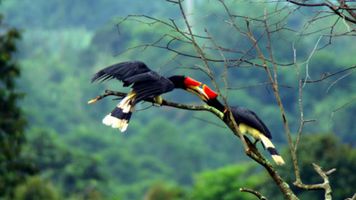
What wildlife tells us about forest carbon projects
From a rare bird recorded in Sabah, to nesting colonies in Sierra Leone and tidal channels in Mexico, wildlife offers a window into forest carbon projects.
Pour en savoir plus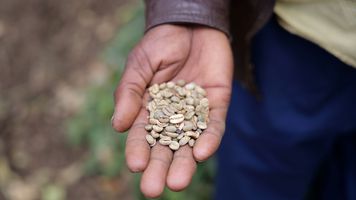
From restoration to coffee: Aregawi's vision for Tigray
What started with planting trees led to something unexpected: coffee. Aregawi's story shows how carbon finance can create opportunities beyond carbon.
Pour en savoir plus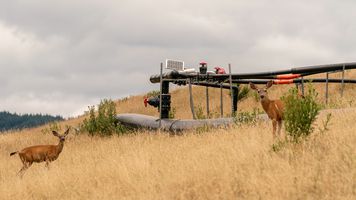
Super pollutants are gaining attention. Here's why quality should too.
Understanding quality in an increasingly important area of climate action.
Pour en savoir plus